Why Weekend DIY Projects Keep Winning in Pop Culture

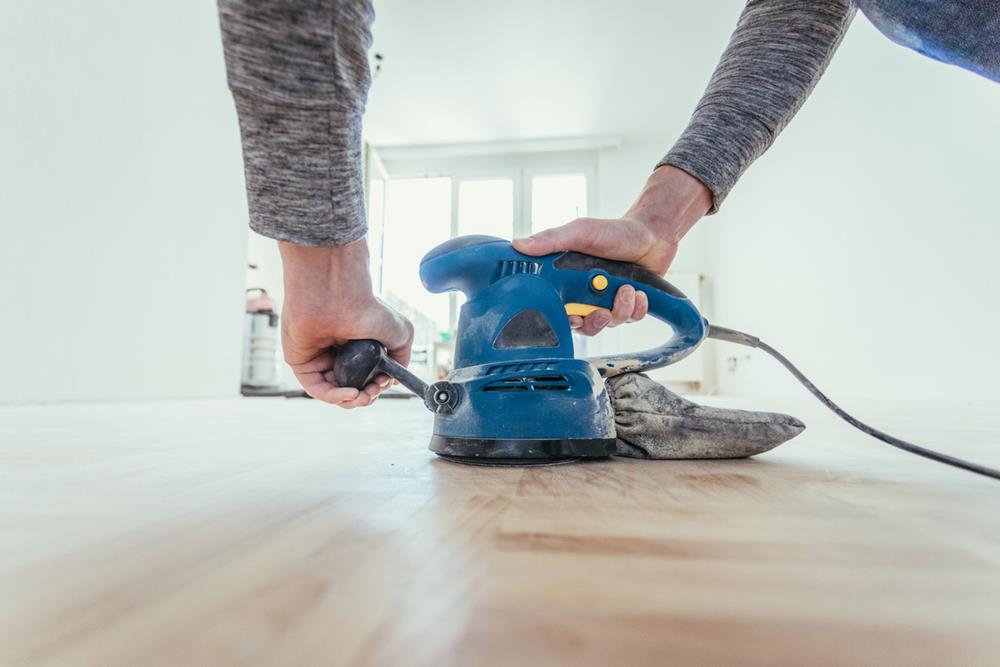
Weekend DIY projects keep winning in pop culture because they solve multiple modern pressures at once. They offer a sense of control in an unpredictable world, a creative outlet in increasingly digital lives, and a practical response to rising costs. What used to be seen as a hobby has evolved into something more meaningful—an activity that blends identity, utility, and culture into a single experience.
DIY exists at the intersection of lifestyle and pop culture. It reflects how people choose to spend their time, how they express themselves, and how they respond to broader economic and social conditions. What began as a practical skill has become a defining feature of modern culture.
Why DIY Projects Dominate Weekend Culture Right Now
DIY projects dominate weekend culture because they align perfectly with how modern life is structured. Weekdays are often defined by routine and obligation, leaving weekends as the primary space for autonomy and personal expression. DIY fills that gap by offering something productive yet flexible, allowing people to create without the pressure of deadlines.
Economic pressure has also played a major role. As the cost of goods and services continues to rise, creating or repairing items at home becomes a practical alternative. DIY shifts people from passive consumers to active participants, giving them more control over how they spend and what they own.
At the same time, there is a growing desire to disconnect from purely digital experiences. DIY offers a tangible, hands-on activity that contrasts with screen-based work. This balance between practicality, creativity, and physical engagement is what makes DIY projects such a strong fit for weekend culture.
The TV Shows That First Made DIY a Weekend Ritual
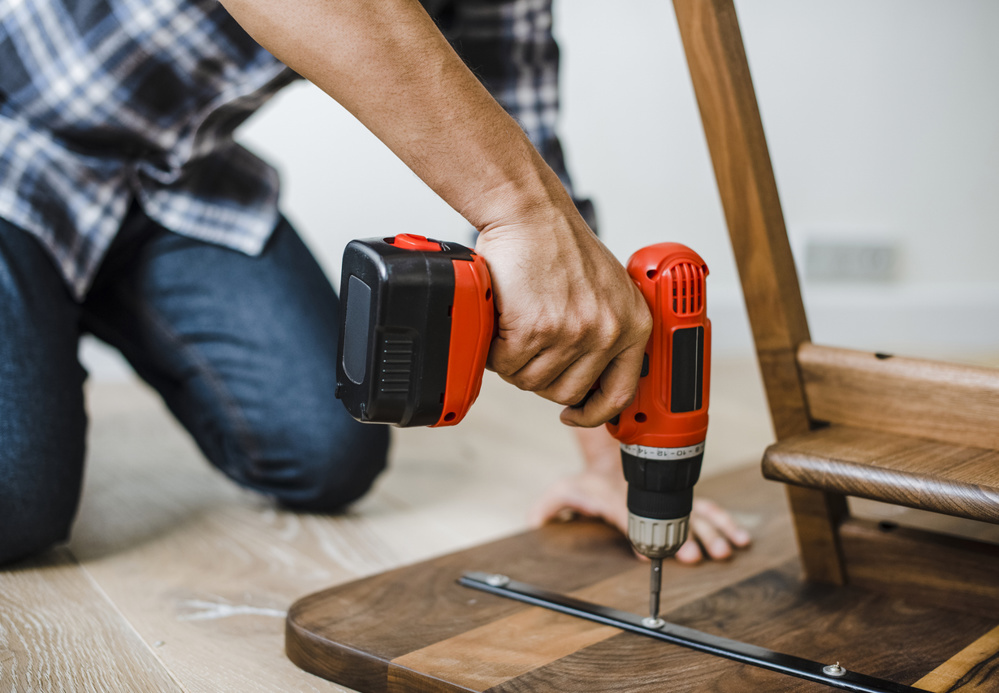
Before you ever picked up a power drill or hot glue gun on a Saturday morning, television had already planted the seed. These hands-on pioneers turned weekend rituals into something worth watching—and copying.
- This Old House (1979) gave PBS viewers foundational renovation techniques every weekend
- Norm Abram's woodworking segments made carpentry feel accessible to ordinary homeowners
- Home Improvement's Tool Time (1991–1999) humorously normalized weekend repair culture
- HGTV's launch (1994) delivered quick makeover shows like Room by Room for time-crunched viewers
Each show met you where you were—curious, maybe intimidated, but enthusiastic. They didn't just entertain; they equipped you with confidence to tackle your own space before Monday arrived. The same philosophy that drove Apple's experience-driven retail design in 2001—prioritizing hands-on engagement over passive browsing.
How Social Media Turned DIY Hobbyists into Weekend Celebrities
What once took a TV network and a production crew to pull off, you can now do with a smartphone and a Saturday afternoon. Social media has become the ultimate platform gateway, turning weekend hobbyists into full-blown creator stardom overnight.
Dasha Derkach grew her scrunchie business from two weekly orders to 500 after one TikTok video went viral, eventually driving six-figure revenue. You don't need a big budget or a polished image—authenticity wins. Sharing your triumphs and mishaps builds the same deep audience connection that traditional celebrities spent decades chasing.
Instagram hashtags connect your work to global crafters instantly, while YouTube tutorials grow your following into the millions. Upload consistently, stay genuine, and your weekend hobby can become your full-time career. Smart cutting machines paired with user-friendly design apps have expanded what hobbyists can create at home, from custom apparel to intricate personalized gifts.
Why DIY Is Just as Satisfying to Watch as It Is to Build
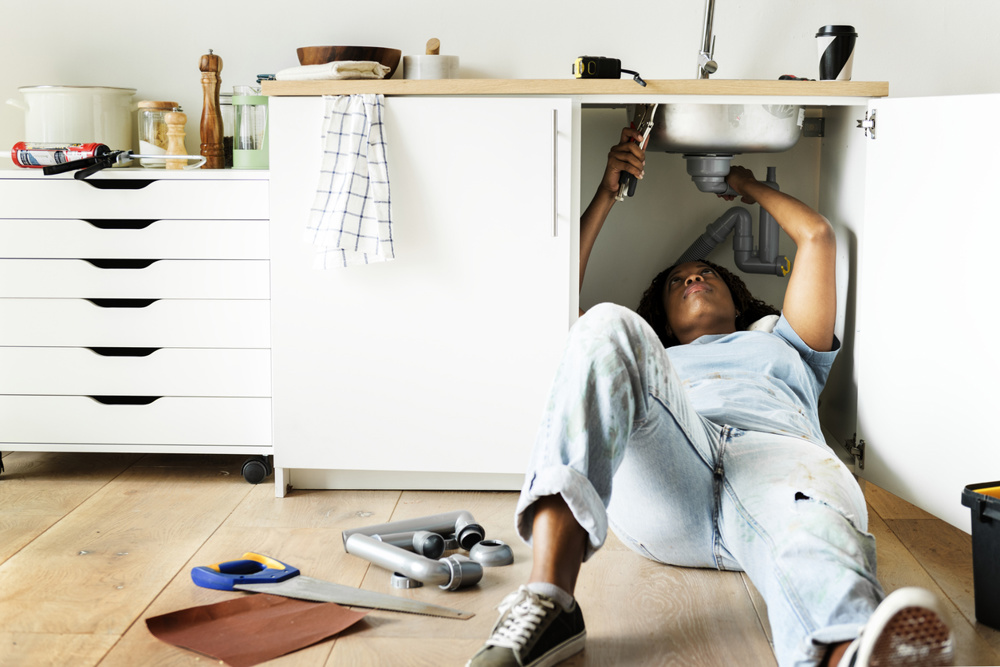
There's a reason millions of people binge DIY videos without ever picking up a power tool. Watching someone build triggers the same psychological rewards as building it yourself—sensory satisfaction, narrative engagement, and the emotional payoff of seeing something finished.
Your brain responds to completed projects whether your hands are involved or not. That's why DIY content keeps pulling you back. What makes it so compelling:
- Flow state by proxy – Watching focused creation quiets your anxious thoughts the same way crafting does
- Story arc satisfaction – Every build follows a problem-to-solution narrative that feels genuinely rewarding
- Vicarious accomplishment – Someone else's finished project still triggers your sense of achievement
- Emotional processing – Observing creative work mirrors art therapy's calming, stabilizing effects
Why Economic Pressure Makes DIY Projects More Appealing
Economic conditions have made DIY more than a creative choice—it has become a practical response to everyday financial realities. Rising costs for home improvement, furniture, and repairs push people to reconsider how they spend, especially on items that can be built or fixed independently. Instead of relying on increasingly expensive services or products, individuals look for ways to regain control over their expenses.
DIY also changes how value is calculated. Rather than focusing solely on price, people begin to weigh effort, durability, and long-term usability. Repairing or building something extends its lifespan, making it more cost-efficient over time. This approach encourages a mindset where resources are maximized rather than replaced, reinforcing habits that prioritize sustainability and practicality at the same time.
As financial awareness grows, DIY becomes part of a broader strategy for managing everyday life. It allows individuals to balance creativity with necessity, turning economic pressure into an opportunity for skill-building and independence. Over time, this integration strengthens its role not just as a cost-saving measure, but as a defining element of modern lifestyle behavior.
Check out MrPopCulture.com and learn more about pop culture trends in DIY projects and crafts.
Why Sustainability Made People Fall Back in Love With DIY
Sustainability has reintroduced DIY as a meaningful and purposeful practice rather than just a hobby. As awareness of environmental impact increases, people are more conscious of how their consumption habits affect waste and resource use. DIY offers a direct way to respond by repurposing materials, reducing unnecessary purchases, and creating items designed to last longer.
At the same time, DIY encourages a more thoughtful relationship with objects. Instead of viewing items as disposable, people begin to see potential in what they already own. Repairing, modifying, or transforming materials adds both functional and emotional value, making objects feel more personal and less replaceable.
Culturally, this movement reflects a wider shift toward intentional living. Sustainability is no longer an abstract concept—it becomes visible through everyday choices. DIY makes these values tangible, allowing people to express environmental awareness through action. In this way, it reinforces a lifestyle that prioritizes responsibility, creativity, and long-term thinking.
How YouTube and TikTok Democratized DIY for Everyone
YouTube and TikTok have removed many of the barriers that once limited access to DIY knowledge. In the past, learning these skills often required formal instruction, specialized books, or personal mentorship. Today, tutorials, demonstrations, and step-by-step guides are available instantly, allowing anyone to learn at their own pace.
These platforms also reshape how learning happens. Short-form videos break down complex processes into simple, digestible steps, while longer tutorials provide deeper context and explanation. This layered approach allows beginners and experienced creators alike to engage with content in ways that suit their skill level. As a result, learning becomes more flexible, continuous, and adaptable to individual needs.
Beyond learning, these platforms create a space for participation. Users are not just consuming content—they are contributing to it, sharing their own projects and techniques. This interaction builds a constantly evolving ecosystem where knowledge is exchanged and refined. In this environment, DIY becomes more inclusive, collaborative, and dynamic.
The Communities Keeping DIY Culture Alive and Growing
DIY culture doesn't survive in isolation — it thrives through the communities that carry knowledge forward, challenge the status quo, and build something larger than any single project.
From homesteading networks to diaspora groups, you'll find intergenerational mentorship embedded in every tradition passed down. Community archives — whether physical manuals or cultural practices — preserve what institutions overlook.
These communities share common threads:
- Homesteaders reject colonialist self-reliance myths by building symbiotic neighbor networks
- Diaspora groups transmit hands-on traditions across generations through food, ritual, and music
- Intentional communities prioritize connectedness over modern isolation, making collaboration structural
- Workaway volunteers apply practical skills globally, reinforcing DIY as a shared, living practice
You're not just fixing things — you're participating in something continuously built together. Survival during hardships like the Great Depression is historically attributed to communal support networks rather than solitary self-sufficiency.
Why DIY Fits Perfectly Into Modern Pop Culture Trends
DIY aligns closely with major pop culture trends such as personalization, authenticity, and sustainability. These values are increasingly emphasized across media, influencing how people think about consumption and identity. DIY naturally fits into this framework by offering a way to create rather than simply purchase.
Unlike mass production, DIY emphasizes individuality and process. This makes it particularly appealing in a culture that values uniqueness and originality. People are drawn to experiences that feel personal, and DIY provides a direct way to achieve that.
As these trends continue to shape cultural behavior, DIY remains relevant by adapting to them. It evolves alongside shifting preferences, maintaining its place as both a practical activity and a cultural expression. This flexibility ensures its continued presence in modern pop culture.
How DIY Turns Consumption into Participation
One of DIY’s most significant cultural shifts is its transformation of consumption into participation. Instead of passively purchasing finished products, people become actively involved in creating what they use. This changes the relationship between individuals and the objects around them.
This involvement also reshapes how value is perceived. Items are no longer defined solely by price or brand—they gain meaning through the effort and intention behind them. The process of creation becomes just as important as the final product, adding depth to everyday experiences.
Over time, this shift encourages a more interactive approach to daily life. People move from passive consumption to active engagement, making choices that reflect both practicality and creativity. This transformation reinforces DIY’s role as a defining element of modern culture, where participation becomes central to how value is created and understood.
Conclusion
Weekend DIY projects continue to thrive because they reflect how modern life is changing. They combine practicality, creativity, and identity into a single activity that fits naturally into everyday routines. As people look for ways to balance cost, expression, and meaning, DIY provides a clear and accessible solution.
Ultimately, DIY is no longer just about making things—it’s about how people live. It reflects values, shapes identity, and transforms everyday actions into meaningful experiences, securing its place as a lasting force in pop culture.