Outdoor Tool Essentials for Texas Adventures and Campsites
You'll need gear that handles Texas’s extreme heat, sudden storms, and varied terrain. Start with well-ventilated dome tents designed for wind stability, and pair them with reliable hydration systems like gravity filters or squeeze filters.
Plan for consistent hydration—most outdoor experts recommend at least 0.5 to 1 liter of water per hour in hot conditions—and bring sun protection, cooking gear, and dependable fire-starting tools. The sections below break down essential equipment to help you stay prepared across Texas landscapes.
Tents and Sleep Systems for Texas Heat and Storms
When camping across Texas’s diverse environments, your shelter needs to balance ventilation and weather protection. Dome-style tents with strong aluminum poles handle wind well, while mesh panels and dual doors improve airflow during hot nights.
Double-wall construction helps manage condensation, especially in humid regions like East Texas. Look for sealed seams, waterproof rainflies, and vestibules for storing gear during storms.
For family camping, six-person tents with adequate floor space offer comfort, while smaller tents suit backpacking and quick setups.
Water and Hydration Gear for Hot, Dry Camping
Texas heat increases dehydration risk quickly, so reliable water systems are essential. Gravity filters like the LifeStraw Peak Gravity or Platypus GravityWorks are ideal for group camping, while lightweight options like the Sawyer Squeeze or Katadyn BeFree work well for hiking.
For larger groups, multi-liter storage systems help reduce refill trips. In remote areas, UV purifiers can add an extra layer of protection when water quality is uncertain.
Always carry more water than you expect to use—especially in West Texas and desert regions where sources are limited.
Sun Protection and First Aid for Triple-Digit Days
Texas summers regularly exceed 100°F, making sun protection a critical part of any outdoor setup. Use SPF 30 or higher sunscreen, reapplying every two hours or after sweating.
Wide-brimmed hats, sunglasses, and light-colored clothing reduce exposure. A well-stocked first-aid kit should include electrolyte packets, blister care, and supplies for treating heat exhaustion.
Schedule outdoor activity in the early morning or evening whenever possible to avoid peak heat.
Camp Stoves, Coolers, and Cooking Essentials
Reliable cooking equipment makes outdoor meals easier and safer. Dual-burner stoves like the Camp Chef Everest 2X or Eureka Ignite provide consistent performance, even in windy conditions.
Coolers with strong insulation help maintain food safety in hot weather. For simple meals, portable grills or single-burner stoves are often sufficient.
Choose equipment based on your trip style—car camping allows heavier gear, while hiking requires compact and lightweight options.
Fire-Building Tools and Fuel Prep Equipment
Fire-building tools are essential, but always follow local fire regulations, especially during burn bans common in Texas summers.
Ferrocerium rods provide reliable ignition even in damp conditions, while waterproof matches and lighters serve as backups. Pack natural tinder like dry bark or bring commercial fire starters for convenience.
Use designated fire rings when available, and never leave fires unattended.
Survival Shovels, Multi-Tools, and Repair Gear
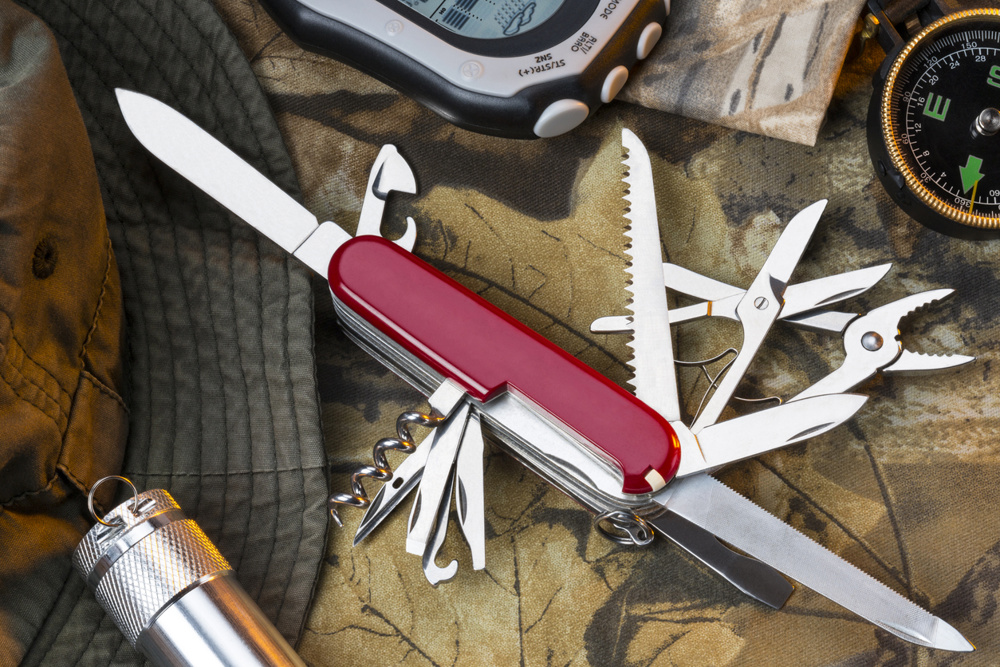
Multi-tools are among the most versatile items you can carry. Options like the Leatherman Wave Plus or Gerber Suspension NXT handle repairs, food prep, and campsite adjustments.
Choose tools with practical functions—pliers, screwdrivers, and blades are far more useful than novelty features. Compact designs make them easy to carry on hikes or keep accessible at camp.
Rope and Knots for Anchoring Tarps and Gear
Strong cordage helps secure tents, tarps, and gear in changing weather. Learn basic knots like the bowline, trucker’s hitch, and taut-line hitch to create stable shelters.
In rocky areas where stakes don’t hold well, natural anchors like trees or logs provide better support. Adjustable knots allow you to tighten lines as weather conditions shift.
Axes, Saws, and Cutting Tools for Firewood
Cutting tools help prepare firewood and manage campsite tasks. Hatchets are ideal for small jobs, while larger axes work better for splitting wood during extended trips.
For portability, folding saws are often safer and more efficient than carrying a full axe. Choose tools based on your activity level—backpackers benefit from lightweight options, while car campers can bring heavier gear.
Lanterns and Lighting for Texas Summer Nights
Reliable lighting improves safety and convenience at camp. Rechargeable LED lanterns provide consistent illumination for cooking and organizing gear, while headlamps allow hands-free movement.
Solar lanterns work well for longer trips, especially in sunny regions. Always carry backup lighting in case batteries run low.
Where to Buy Outdoor Gear in Texas
You’ll find quality outdoor gear across Texas at both national and local retailers.
Major retailers:
- REI (Dallas, Austin, Houston, San Antonio)
- Academy Sports + Outdoors (statewide locations)
- Bass Pro Shops and Cabela’s
Local outfitters:
- Hill Country Outfitters (Austin)
- Whole Earth Provision Co. (multiple Texas cities)
Local shops often provide region-specific advice, especially for trails, water access, and seasonal conditions.
Beginner vs Advanced Gear Setups
Your gear should match your experience level and trip type.
Beginner Setup:
- Basic dome tent
- Water bottles or simple filter
- Compact stove
- Entry-level multi-tool
- Headlamp or lantern
Advanced Setup:
- Lightweight backpacking tent
- Gravity or UV filtration system
- GPS device or satellite communicator
- High-performance cooking system
- Full repair and emergency kit
Beginners benefit from simple, reliable gear, while experienced campers can optimize for weight, efficiency, and extended trips.
Packing Checklist for Texas Outdoor Trips
Prepare for Texas conditions with a well-rounded packing list:
- Water supply and filtration system
- Sun protection (SPF 30+, hat, sunglasses)
- Weather-appropriate clothing
- Tent and sleep system
- Cooking gear and food storage
- Multi-tool and repair kit
- Lighting (lantern + headlamp)
- First-aid kit and emergency supplies
Packing properly ensures you’re ready for heat, weather shifts, and terrain challenges.
Park-Specific Use Cases Across Texas
Different regions require different gear priorities.
Hill Country:
Focus on traction, hydration, and sun protection for rocky trails and exposed areas.
West Texas (Big Bend, Guadalupe Mountains):
Carry extra water, sun gear, and navigation tools due to remote conditions and extreme heat.
Piney Woods (East Texas):
Prioritize insect protection, waterproof gear, and ventilation for humid environments.
Adapting your gear to the region improves both comfort and safety.
Local Regulations for Fires, Hunting, and Trail Use
Always check Texas Parks and Wildlife Department (TPWD) guidelines before your trip.
- Fire bans are common during dry seasons
- Use only designated fire rings where permitted
- Follow Leave No Trace principles
- Respect hunting seasons and restricted areas
- Stay on marked trails to protect ecosystems
Following regulations helps preserve Texas parks and keeps your trip safe.