Interesting Facts About Power Tools Every DIYer Should Know
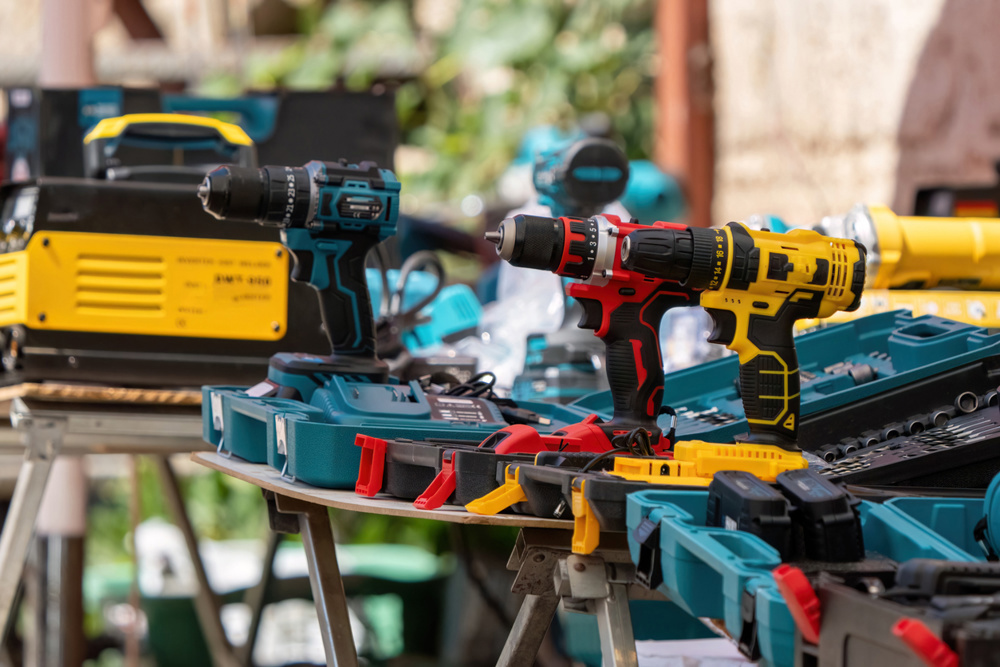
Power tools do far more than simply speed up projects—they reshape how people approach building, fixing, and creating. What once required specialized skills or professional training is now accessible to anyone with the right tools and a bit of curiosity. That shift has turned DIY from a niche activity into a widespread cultural habit.
At the same time, the tools themselves have evolved. Cordless systems, interchangeable attachments, and multi-function designs have made it possible to do more with fewer tools. This flexibility changes how projects are planned, making efficiency and adaptability just as important as technical skill.
What Else Can a Power Drill Actually Do?
A power drill is often treated as a single-purpose tool, but its real value lies in how adaptable it is. With the right attachments, it can handle tasks that go far beyond drilling holes. From mixing materials to sanding surfaces, it becomes a flexible tool that supports multiple stages of a project.
This versatility changes how DIYers approach their work. Instead of switching between tools, many tasks can be handled with a single device. That not only saves time but also simplifies the workflow, especially for beginners who may not have a full workshop setup.
Over time, this adaptability encourages experimentation. As users discover new attachments and techniques, the drill becomes less of a basic tool and more of a central piece of their toolkit, capable of evolving alongside their skills.
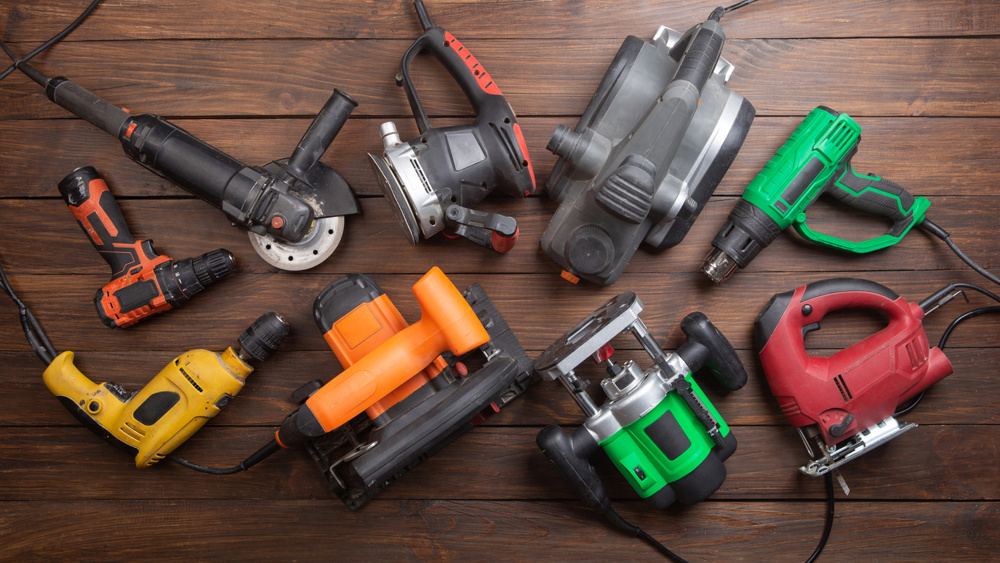
Why Cordless Power Tools Outsell Everything Else
Cordless tools have become the standard because they align with how people actually work. Without cords, users gain mobility and flexibility, making it easier to move between tasks and work in different environments. This convenience alone has made them the preferred choice for both beginners and experienced DIYers.
Advancements in battery technology have also played a major role. Modern batteries last longer, charge faster, and deliver consistent power, reducing the gap between cordless and traditional wired tools. As performance improves, the limitations that once held cordless tools back become less relevant.
This shift reflects a broader trend toward simplicity and efficiency. People want tools that adapt to their workflow, not the other way around. Cordless systems meet that demand, which is why they continue to dominate the market.
Cutting Power Tools DIYers Most Often Use Wrong
As tools become more accessible, mistakes become more common. Many DIYers underestimate how much technique matters, especially when using cutting or drilling tools. Using the wrong bit, applying incorrect pressure, or working at the wrong angle can quickly damage both the material and the tool.
These errors often come from treating power tools as simple devices rather than precision instruments. Small adjustments—like starting at a lower speed or maintaining proper alignment—can significantly improve results. Without these considerations, even high-quality tools can produce poor outcomes.
Learning proper usage is what separates frustration from efficiency. Once users understand how to match tools to tasks and control their operation, they gain consistency. This not only improves the quality of work but also extends the lifespan of the tools themselves.
Impact Drivers vs. Regular Drills: What's the Difference?
Both tools look similar, but they're built for different jobs. A regular drill uses rotational force for hole drilling and light fastening. An impact driver combines rotation with impact bursts, delivering superior torque comparison results when driving large screws into dense wood or metal.
Bit compatibility also differs markedly:
- Drills accept various bits through keyed or keyless chucks.
- Impact drivers use quick-change hex clamps, limiting you to hexagonal shank bits.
- Combo kits give you both capabilities without compromise.
If you need precision and versatility, grab the drill. If you're building a deck or driving lag bolts repeatedly, the impact driver saves time and reduces wrist strain. Impact drivers are specifically engineered to handle tougher fastening tasks that would strain or stall a regular drill. Knowing which tool fits your task prevents damage and improves results.
Power Tools That Replace Two Tools in One Purchase
Modern power tools are increasingly designed to handle multiple functions. Instead of buying separate tools for each task, DIYers can now rely on versatile options that combine capabilities into a single device. This reduces both cost and storage requirements.
Multi-functional tools also streamline workflow. Switching attachments is often faster than switching tools, allowing users to move through different stages of a project without interruption. This efficiency becomes especially valuable in smaller workspaces.
This shift toward consolidation reflects changing expectations. People want tools that are flexible and adaptable, capable of handling a variety of tasks without requiring a full workshop. Multi-use tools meet that need while maintaining performance.
Put your DIY knowledge to the test with more fun trivia.
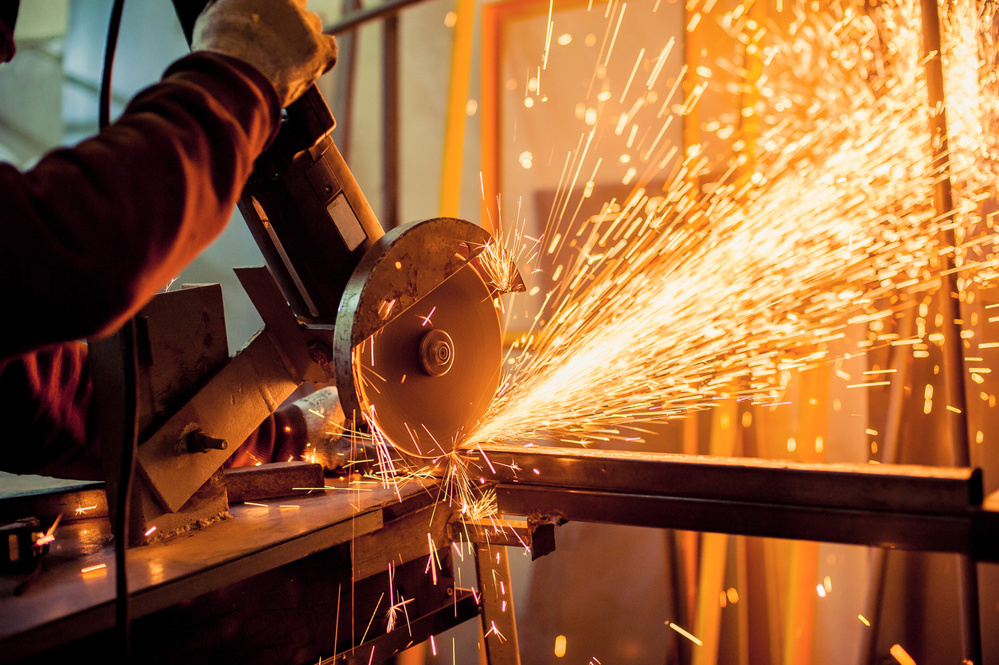
Surprising Things an Angle Grinder Can Do
Most people think of an angle grinder as a metal-cutting tool, but it can pull off far more than that. Swap the right attachment, and you've got a surprisingly versatile machine. Here are three things it handles better than you'd expect:
- Tile cutting — With a diamond-tipped blade, it slices ceramic, porcelain, and stone at custom angles around corners or plumbing.
- Surface preparation — Wire cup brushes and flap discs strip rust, old paint, adhesives, and Bondo from metal surfaces fast.
- Metal polishing — A polishing pad running up to 12,000 RPM buffs stainless steel, aluminum, and brass to a clean sheen.
One tool, multiple jobs — that's a serious value. It can even sharpen lawn mower blades, chisels, and axes by simply running a grinding disc along the edge at a steady angle.
The Fastest Power Tools for Nailing and Fastening
Speed becomes critical in fastening tasks, especially during larger projects where repetition can slow progress. Tools designed for rapid operation allow users to complete work more efficiently while maintaining consistent results. Instead of manually driving each fastener, powered tools handle the workload with precision and uniformity.
These tools also reduce physical strain over time. Repeated manual fastening can lead to fatigue, especially in extended projects, but powered options minimize effort and maintain steady performance. This allows users to work longer without sacrificing accuracy or comfort.
Efficiency in fastening is about more than speed—it’s about maintaining rhythm. When tools operate smoothly and consistently, the entire workflow becomes more fluid. This steady pace not only improves productivity but also enhances the overall quality of the finished work.
Small Power Tools That Handle Precision Finishing
Precision finishing calls for the right small power tools, and several options stand out for tackling detailed woodworking tasks. When you need accuracy in tight spaces or refined surfaces, these tools deliver:
- Handheld Router – Handles edge chamfering, fine grooving, and decorative carving with adjustable depth settings for varying project requirements.
- Orbital Sander – Uses random orbital motion to eliminate swirl marks, giving you consistent surface preparation before applying stain or protective coatings.
- Micro Rotary Tool – A 3.7V multi-purpose tool with three-speed settings and 57+ accessories for sanding, polishing, engraving, and drilling across various materials.
Workshop Power Tools Worth Adding to Your DIY Setup
Building a functional workshop starts with choosing tools that align with your most frequent tasks. Instead of collecting equipment randomly, focusing on versatility and reliability creates a setup that supports a wide range of projects without unnecessary duplication.
A balanced workshop includes tools for cutting, shaping, and finishing, each contributing to a complete workflow. When every tool serves a clear purpose, projects move more efficiently, and transitions between tasks become smoother. This approach reduces clutter while maximizing capability.
Over time, the workshop evolves alongside the user. As skills improve, tools can be upgraded or expanded to handle more complex work. This gradual development ensures that the workspace remains practical, adaptable, and aligned with growing experience.
Power Tool Safety Mistakes That Cause the Most Injuries
Stocking your workshop with the right power tools is only half the battle — knowing how to use them safely keeps you out of the emergency room. Training gaps and improper storage contribute to over 100,000 annual U.S. hospital visits from power tool accidents.
Avoid these critical mistakes:
- Skipping safety gear — Always wear goggles, ear protection, gloves, and dust masks. Flying debris, loud tools, and dusty environments cause serious injuries.
- Using the wrong tool — Match tools to tasks. Force the wrong one and you'll damage materials, tools, and yourself.
- Not securing your workpiece — Clamp materials firmly. Freehand cutting, especially on a table saw, is extremely dangerous.
Inspect tools before every use and read the manufacturer's manual. Dull blades and worn cords are warning signs to address immediately, as neglected components significantly increase the risk of malfunctions and accidents.
Why Power Tools Became a Core Part of DIY Culture
Power tools have become central to DIY culture because they make building and repair accessible to a much wider audience. Tasks that once required specialized skills or professional assistance can now be completed at home, allowing more people to take part in hands-on creation.
This accessibility has changed how individuals approach projects. Instead of outsourcing work, many people choose to do it themselves, gaining confidence and developing practical skills along the way. Power tools support this shift by making complex tasks more manageable.
As a result, tools have taken on cultural meaning beyond their function. They represent independence, capability, and self-sufficiency. This symbolic value is why power tools continue to play such a strong role in modern DIY culture.
How Tool Versatility Changed the Way People Build
Versatility has reshaped how DIY projects are planned and executed. Instead of working around limitations, users can adapt tools to handle multiple tasks, allowing for greater flexibility throughout the process. This makes projects easier to adjust as needs change.
Multi-functional tools simplify workflows by reducing the number of steps and tools required. Switching attachments is often faster than switching tools entirely, which keeps projects moving efficiently and reduces interruptions during work.
This adaptability encourages experimentation. When tools can handle a variety of functions, users feel more confident trying new techniques and taking on unfamiliar projects. Over time, this expands both skill level and creative possibilities.
Conclusion
Power tools have evolved from simple devices into essential tools for modern DIY. Their versatility, accessibility, and efficiency have reshaped how people approach building, repairing, and creating. What makes them significant is not just what they do, but how they change behavior.
This shift has made DIY more widespread and more integrated into everyday life. As tools continue to improve, their role will only expand. They are no longer just part of the process—they define how the process works, making them a lasting and influential part of DIY culture.